You are here:Home » Applications » Ebola Resurgence in Africa: Challenges in Laboratory Diagnostics And Practical Equipment Solutions
Ebola Resurgence in Africa: Challenges in Laboratory Diagnostics And Practical Equipment Solutions
Views: 528 Author: Yammi Publish Time: 2026-05-28 Origin: Site
Table of Contents
Toggle
Since 2026, African countries such as the Democratic Republic of the Congo and Uganda have reported a new wave of Ebola outbreaks. As of mid-May, there had been a cumulative total of 178 confirmed cases and 92 deaths, with a case fatality rate exceeding 51%. Michael Ryan, Head of the World Health Organization’s (WHO) Health Emergencies Programme, noted at a routine press briefing on May 20 that the spread of this outbreak is 40% faster than in 2023. The core shortcoming lies in the severe lack of testing capacity in rural areas of Africa—82% of early cases did not receive a nucleic acid test within 72 hours of symptom onset, directly leading to the rapid spread of the virus.
Severe Diagnostic Infrastructure Gaps in Sub-Saharan Africa
The African Centers for Disease Control and Prevention’s 2025 Public Health System Assessment Report shows that 62% of cities in sub-Saharan Africa lack basic viral testing equipment. Residents in remote areas must walk an average of more than eight hours to reach the nearest laboratory capable of conducting Ebola tests. This lack of laboratory equipment has been laid bare during the current outbreak: it took 14 days for the first confirmed case in eastern Democratic Republic of the Congo to be verified by a provincial laboratory. By that time, community transmission had already spread to three administrative districts and 12 villages.
Recommended Configuration for P3 Laboratories
The Guidelines for the Configuration of Frontline Laboratories for Ebola Outbreaks, jointly published by the WHO and the Africa Centers for Disease Control and Prevention (Africa CDC), clearly state that the development of frontline laboratories in Africa must adhere to the core principles of “low cost, ease of operation, and high durability.” Priority should be given to rapid testing technologies that do not require complex infrastructure, involve three or fewer steps, and can produce results within 30 minutes. At the same time, biosafety requirements must be met; all configuration plans must comply with the basic protection standards of Biosafety Level 2 (BSL-2).
Equipment for Remote Villages/Mobile Laboratories
Core Configuration: Ebola antigen rapid test kits, portable biosafety cabinets, medical coolers, PPE supply boxes
Testing Capacity: Capable of processing 50 rapid screenings per day with results available in 15 minutes; suitable for initial screening of suspected cases
Testing Capacity: Capable of processing 30 nucleic acid tests daily with results available in 2 hours; suitable for confirmatory testing of initially screened positive samples
National/Provincial Centers for Disease Control and Prevention
To meet the functional requirements of P3 laboratories, Scitek’s team of experts has developed a range of highly adaptable testing equipment solutions. These solutions are tailored to the specific conditions in Africa, such as unstable power supplies, high ambient temperatures and humidity, and limited personnel capabilities for operation and maintenance. All equipment has passed environmental adaptability testing conducted by the Africa Centers for Disease Control and Prevention (Africa CDC). It operates reliably in environments with temperatures up to 45°C and humidity up to 85%, with maintenance costs reduced by 60% compared to similar general-purpose equipment.
Safe Storage and Transport of High-Risk Samples
This series of equipment is designed to address the challenges of Africa’s vast geography and long sample transport distances. It covers the full range of requirements for temporary sample storage, long-distance transport, and long-term archiving:
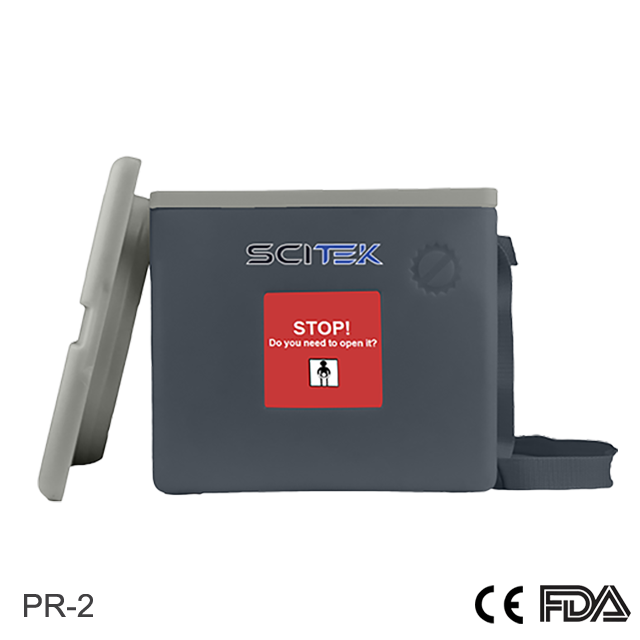
1. Temporary or small laboratories can be equipped with the PR-2 medical cooler to meet daily needs for the temporary storage of reagents and samples;
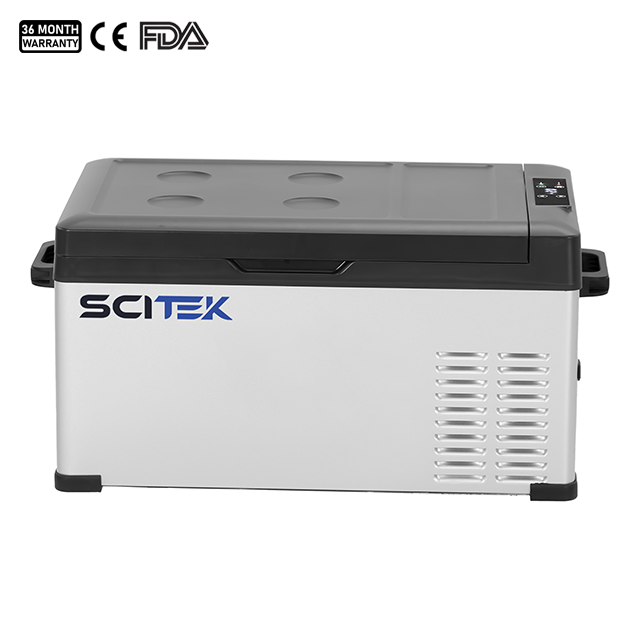
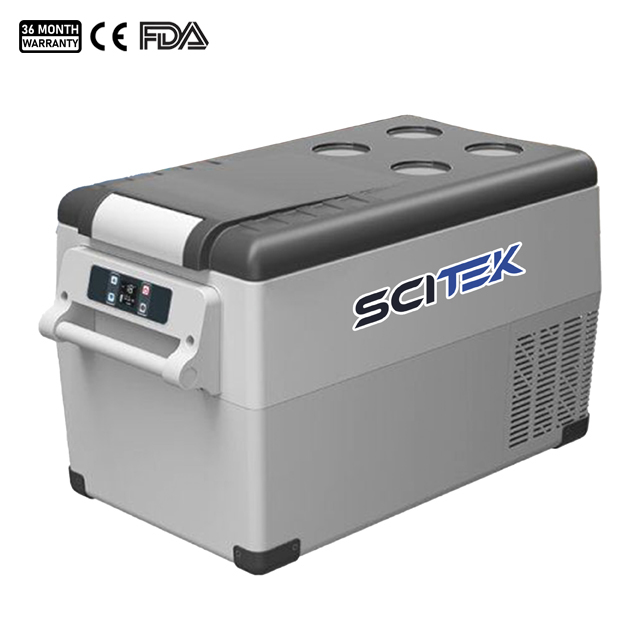
2. For cross-regional sample transport, the CR-25 and CR-55F vehicle-mounted refrigerators are available; these are designed to withstand rough road conditions and can maintain a stable internal temperature for over 8 hours after a power outage;
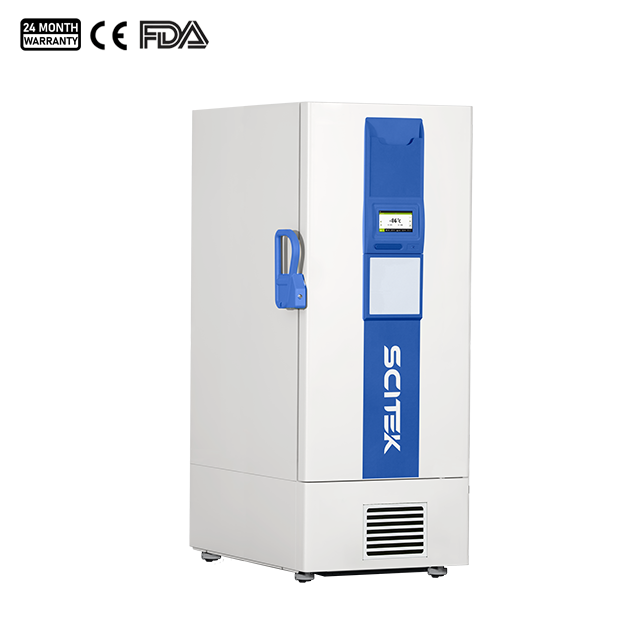
3. Medium-sized laboratories can opt for ultra-low temperature storage equipment based on their needs:
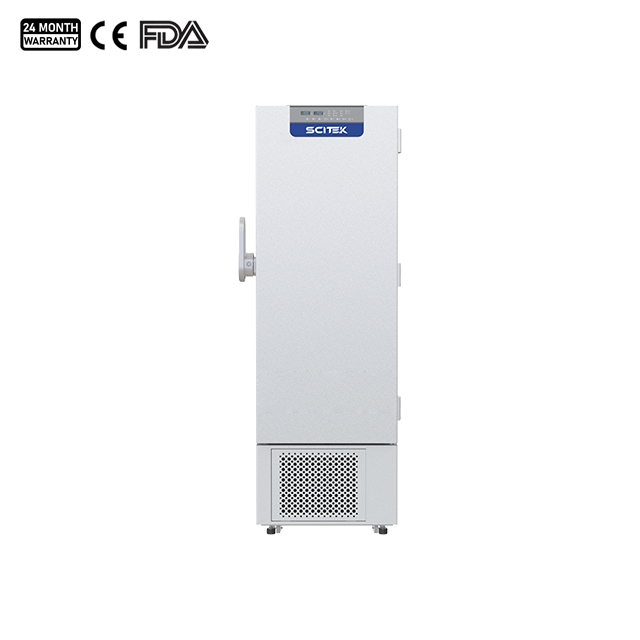
The UFZ-86V410P -86°C upright ultra-low temperature freezer features dual independent refrigeration systems. If one system fails, the other can still maintain an internal temperature of -70°C. It is suitable for the long-term, secure storage of critical pathogen samples;
The UFZ-86V420EB ultra-low temperature freezer features intelligent inverter technology and energy-saving functions. Its operating power consumption is 40% lower than that of comparable products, making it suitable for use in areas with unstable power supplies.
Capacity (L): 420 Temperature Display Accuracy : 0.1 °C
Sensor : PT1000
Cooling Mode : Direct cooling
Class II Biological Safety Cabinets
Configured according to the biosafety protection requirements of laboratories at different levels:
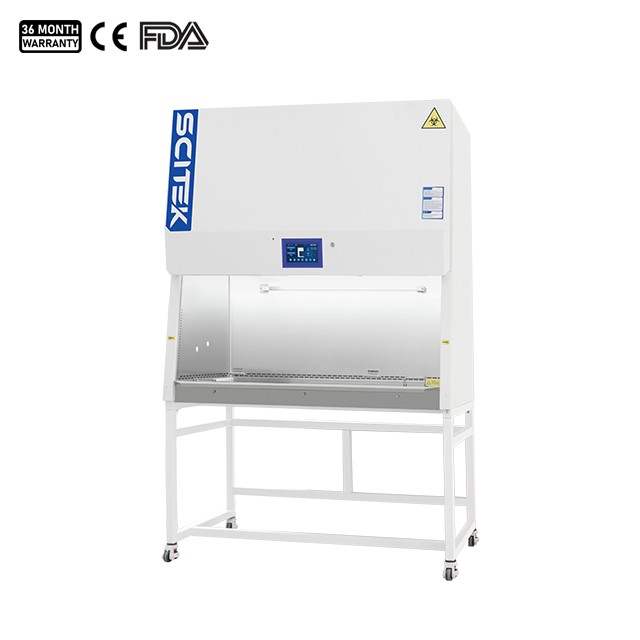
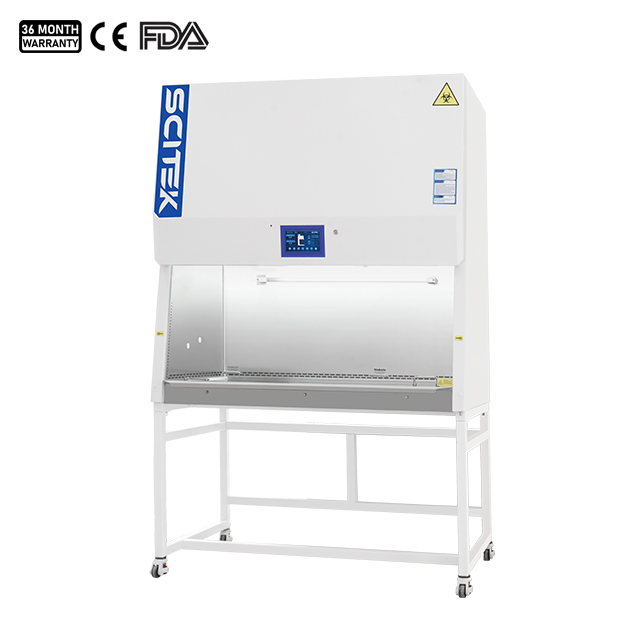
1. The Class II A2 biological safety cabinet BSC-IIA2-1100 is suitable for tent laboratories on the front lines in Africa, mobile laboratories, and screening sites at health centers in remote areas. Weighing 30% less than comparable products, it facilitates rapid transport and deployment and meets the protection requirements for rapid screening and routine nucleic acid testing;
2. Class II B2 BSC-IIB2-1100 is suitable for national disease control centers, large hospitals, and research institutes. It meets the high-level protection requirements for virus isolation, culture, and scientific research.
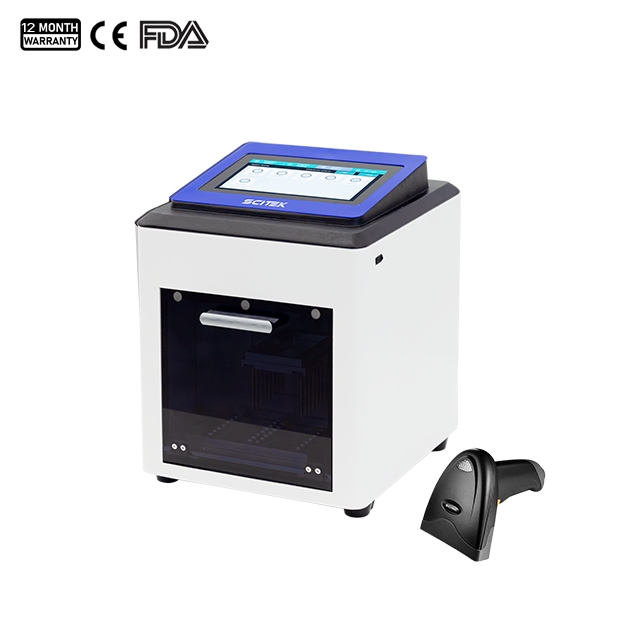
The NAE-16A and NAE-32A nucleic acid extractors feature an open-system design with high compatibility, supporting nucleic acid extraction reagents from various manufacturers. The fully automated workflow reduces manual steps to just two, lowering the infection risk for frontline personnel. Additionally, testing efficiency is doubled compared to manual extraction, making these systems suitable for configuration in county-level central laboratories and higher-level facilities.
Configurations are tailored to meet varying testing throughput requirements at different levels:
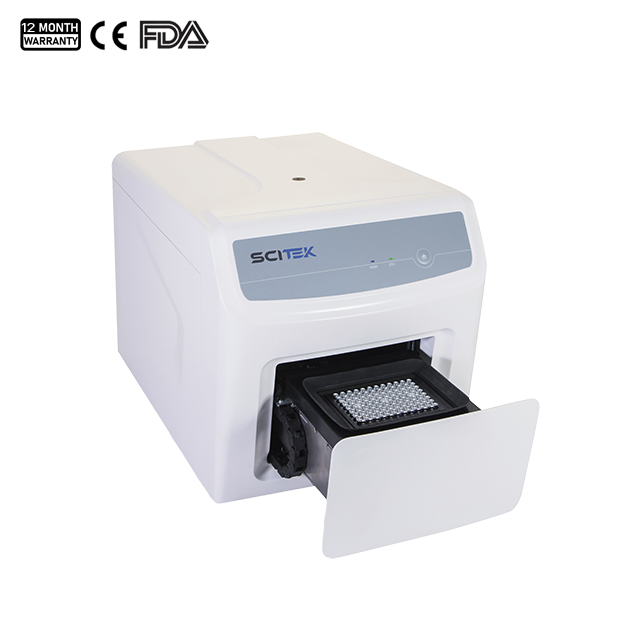
1. The PCR-RFQ96 96-channel fluorescent quantitative PCR instrument is suitable for national/provincial CDC centers, large hospitals in major cities, research institutions, and virus strain monitoring sites. It meets the massive sample testing demands of rear diagnostic hubs, with a daily testing throughput of over 1,000 samples;
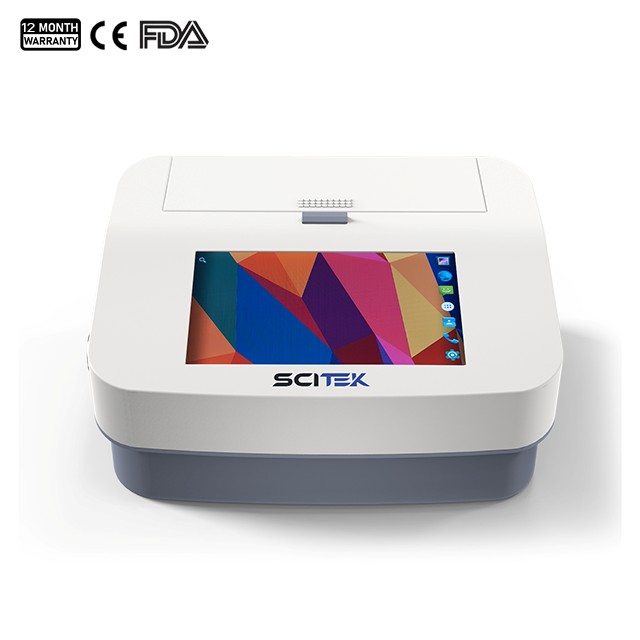
2. The PCR-RFQ162T 16-channel real-time PCR instrument is compact and lightweight, requiring only standard household power to operate. It is suitable for remote villages, temporary tent screening sites, mobile laboratories, customs, border checkpoints, and airport ports, enabling rapid emergency response on the front lines. The entire sample testing process takes only 45 minutes.
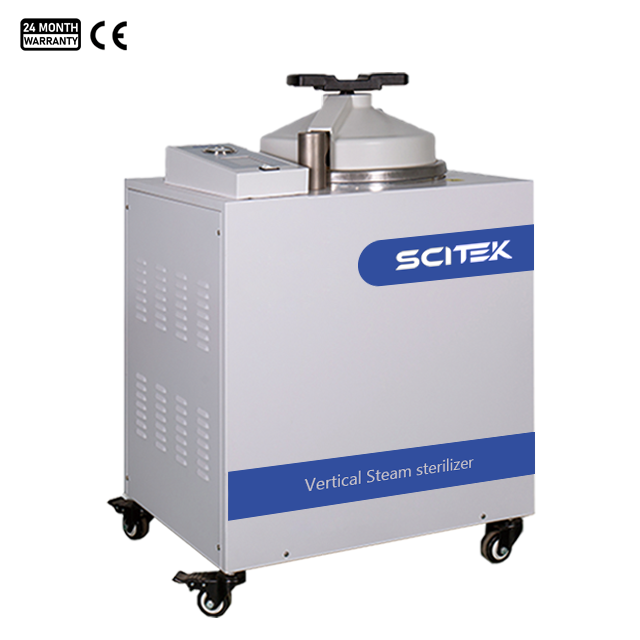
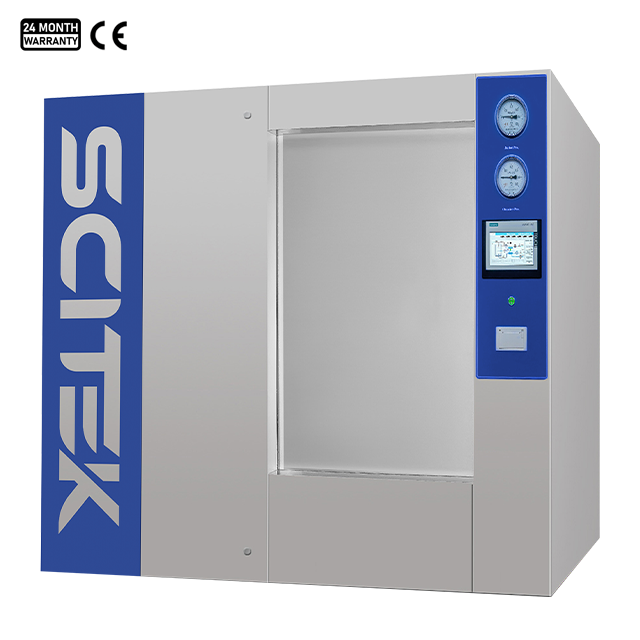
The entire product line utilizes pulsed vacuum technology to ensure 100% steam penetration into hard-to-reach areas of laboratory waste, eliminating any residual live viruses: The ST-V80PV vertical pulsed vacuum autoclave is suitable for town-level central laboratories. The ST-BH1200PV horizontal pulsed vacuum autoclave is suitable for county-level and higher-level laboratories, capable of meeting the sterilization needs for large volumes of waste.
As global attention increasingly focuses on infectious disease preparedness, the importance of grassroots laboratory infrastructure has become clearer than ever. Rapid, accurate, and accessible molecular diagnostics are essential not only for Ebola outbreak control, but also for the long-term management of emerging infectious diseases across Africa and other resource-limited regions.
As infectious disease surveillance continues to evolve, sustainable laboratory capacity building will remain a critical part of global public health security. Scitek is committed to providing dependable laboratory equipment solutions that help laboratories strengthen diagnostic capabilities and improve outbreak response efficiency worldwide.
As a professional lab and medical equipment manufacturer, Scitek Global is certified by ISO 9001, ISO 13485, ISO 45001 and ISO 14001. Almost all our products are certified by ETL, CE and FDA .
Scitek Global looks forward to establishing cooperation with more distributors all over the world, and working together to create greater customer value.

 English