You are here:Home » Applications » What are Common Animal Laboratory Equipment?
What are Common Animal Laboratory Equipment?
Views: 311 Author: Yammi Publish Time: 2026-03-11 Origin: Site
In animal experimentation and biomedical research, a variety of specialized equipment is required to ensure the scientific rigor of experiments and the accuracy of research data. Common animal laboratory equipment primarily includes the following categories:
1. Animal Housing Equipment
Animal cages, automatic waterers, feeders, litter trays, and ventilated cage systems provide the infrastructure for animal survival and daily management. These devices help researchers better control temperature, humidity, and ventilation conditions, thereby minimizing the impact of environmental factors on experimental outcomes.
Common devices include anesthesia machines, anesthesia masks, anesthesia needles, syringe pumps, and anesthesia gas supply systems. These enable pain-free or low-pain surgical procedures or experimental operations during animal surgeries or certain experimental tasks.
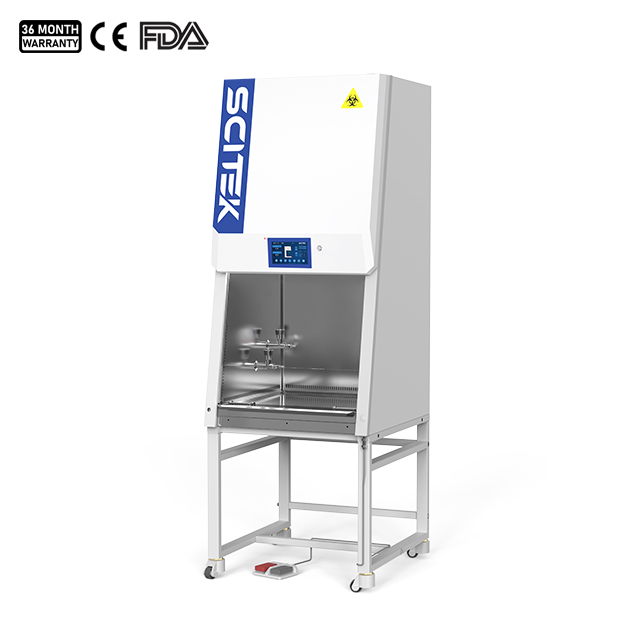
Biological Safety Cabinets are critical protective equipment in animal laboratories, primarily used for handling samples potentially containing pathogens or harmful microorganisms.
Common equipment includes optical microscopes, tissue microtomes, paraffin embedding equipment, staining apparatus, and various tissue staining reagents. These are primarily used to study structural changes in animal tissues, cells, or organs under disease or experimental conditions.
Molecular biology equipment studies molecular-level changes in DNA, RNA, and proteins within animals. Common devices include PCR amplifiers, real-time quantitative PCR systems, gel electrophoresis units, nucleic acid extraction equipment, and protein analysis systems. These tools enable researchers to detect gene expression, genetic mutations, and protein level alterations, serving as essential instruments for modern life science and genetics research.
Common devices include X-ray imaging systems, CT scanners, MRI systems, and ultrasound imaging equipment. These enable observation of structural and functional changes in animal organs, facilitating non-invasive or minimally invasive detection.
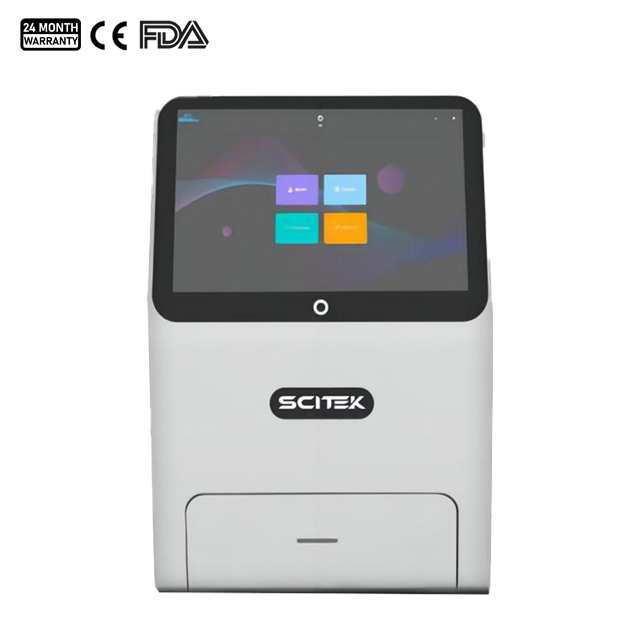
Blood analysis equipment primarily detects blood components and physiological indicators in experimental animals, including hematology analyzers, blood gas analyzers, and biochemical analyzers. These tools assess animal health status, physiological functions, and disease progression.
Data acquisition equipment records and analyzes various physiological signals and behavioral data during animal experiments. Common devices include biosignal acquisition systems, electrocardiogram monitors, behavioral monitoring systems, and data loggers.
Conclusion
Collectively, these devices form the foundational infrastructure of modern animal laboratories. They not only enhance experimental efficiency and data accuracy but also contribute to improving the safety and standardization of animal research. With advances in biomedical technology, animal research equipment continues to evolve toward greater automation, intelligence, and precision.
As a professional lab and medical equipment manufacturer, Scitek Global is certified by ISO 9001, ISO 13485, ISO 45001 and ISO 14001. Almost all our products are certified by ETL, CE and FDA .
Scitek Global looks forward to establishing cooperation with more distributors all over the world, and working together to create greater customer value.

 English