Designed with a wide voltage range of 100-240V, it has a wide range of applications;
Operation mode: Two modes to choose from: light sensing/continuous;
Permanent magnet DC motors are not prone to heating, have a long lifespan, and can operate for extended periods of time;
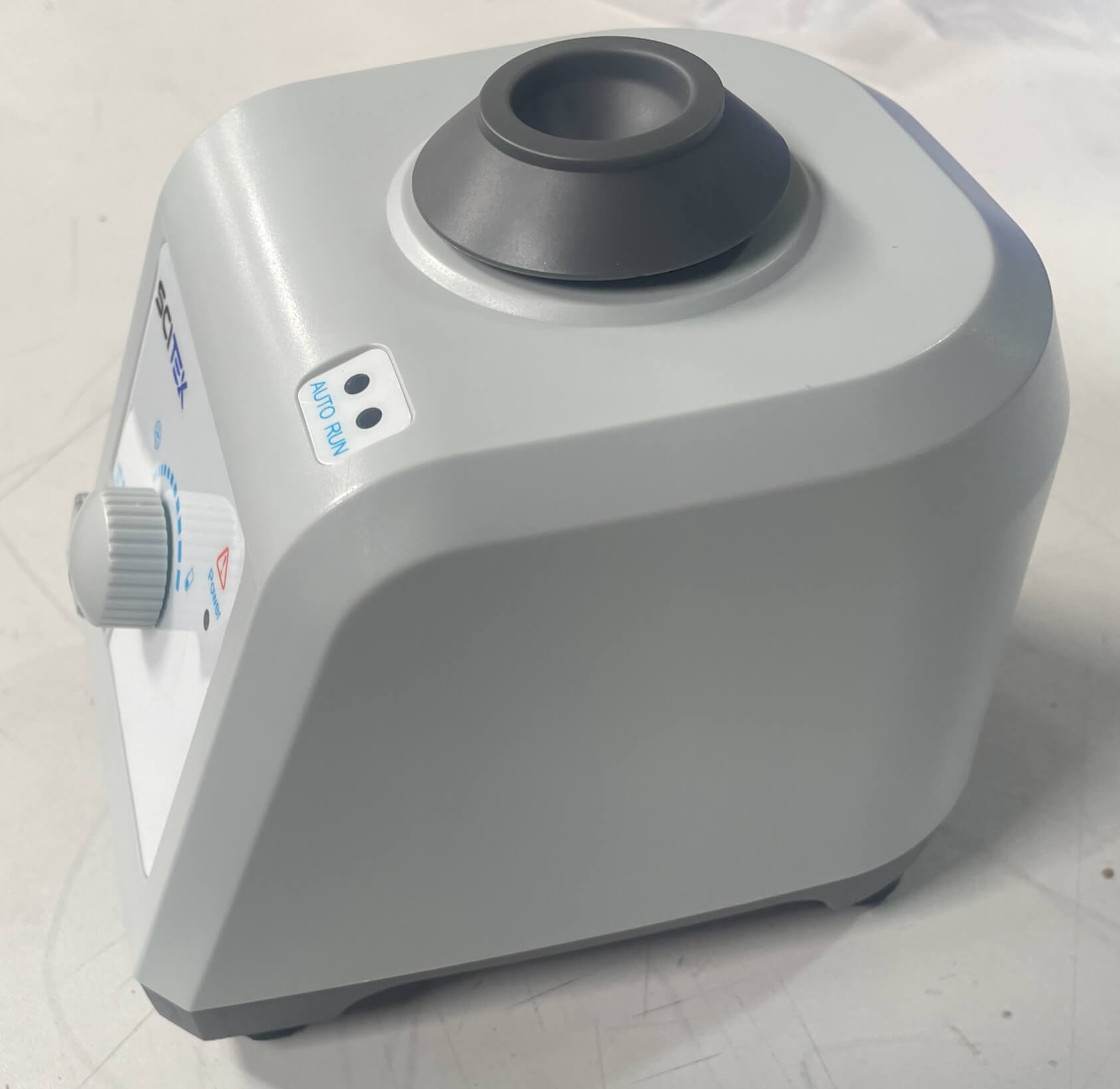
Soft silicone foot pads, super shock resistant, and the body is stable and does not move when working at high speeds;
The die-cast zinc base is strong and durable, so that it has enough counterweight weight and eccentricity to balance the operation;
Multiple specifications of adapters are available to meet different experimental needs.
Vortex Mixer Specifications:
Model
VMX-5
Voltage
100~240V/2.5A, 50~60
Input power
60w
Oscillation mode
Circular oscillation
Operation mode
Jogging (light sensing)/continuous
Rotating diameter
4mm
Motor type
DC Motor
Speed range
0~3000rpm
Speed control mode
Knob
Motor power
15.7w
Allowable ambient temperature
5~40℃
Allowable relative humidity
80%RH
Size (W×D×H)(mm)
165x130x140
Shipping size (W×D×H)(mm)
250x220x190
N.W./G.W. (kg)
3.0/3.5
Details of Vortex Mixer:
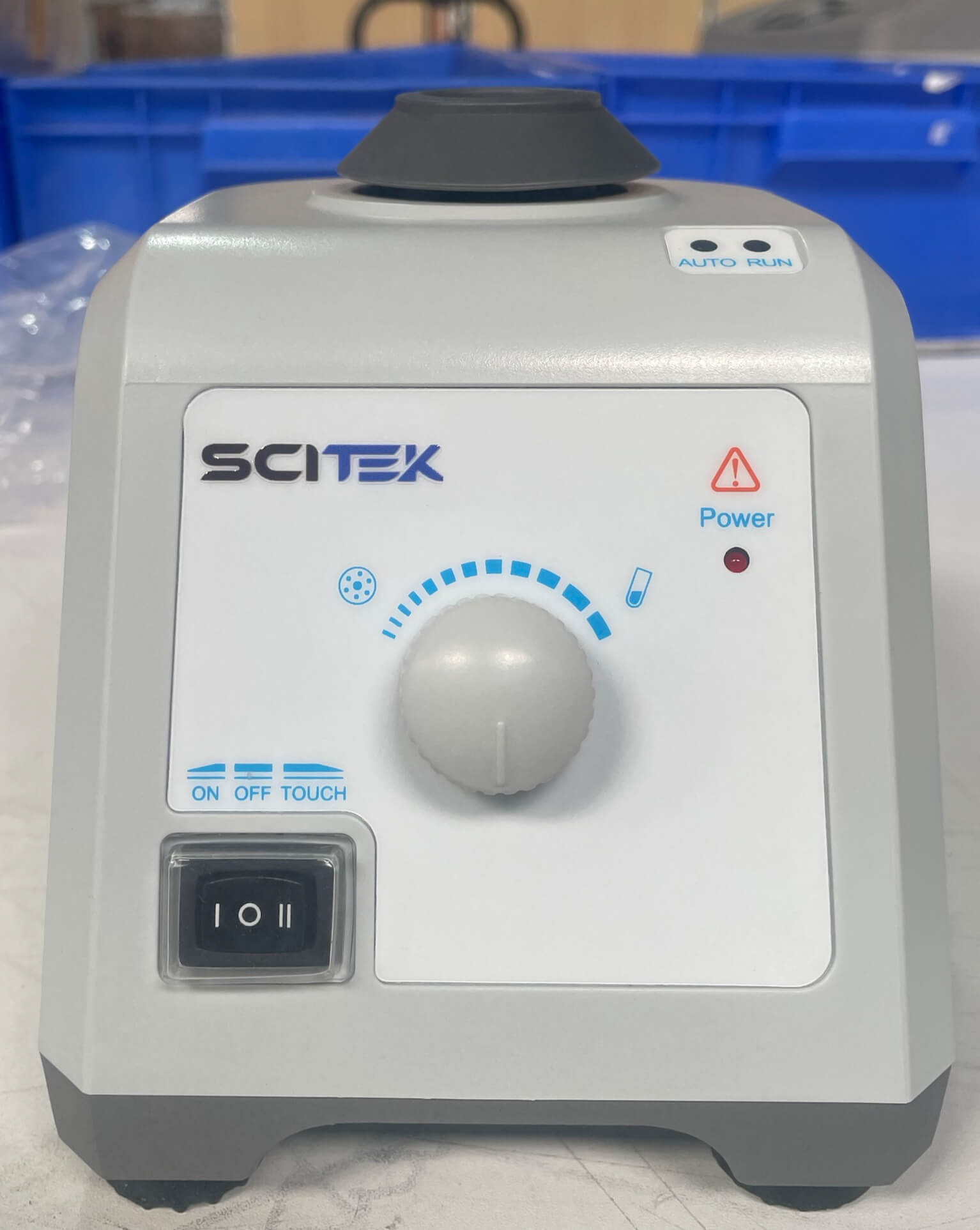
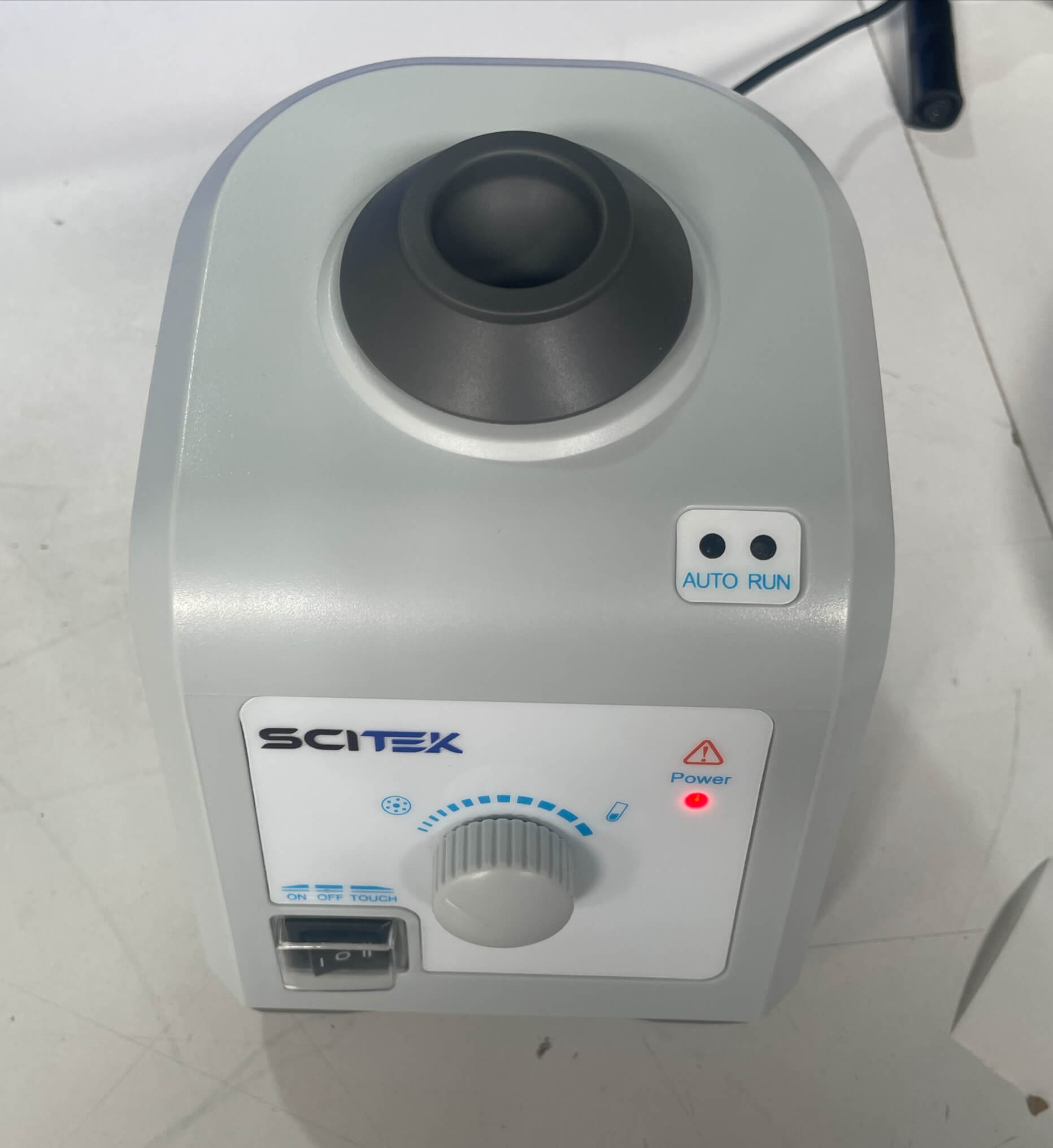
A compact and efficient vortex mixer designed for rapid and uniform sample mixing in laboratories. It features variable speed control to accommodate different sample types, along with a stable, anti-slip base to ensure safe operation.
The product features a sleek, compact design with a durable housing and a clean, modern finish, making it suitable for any laboratory environment.
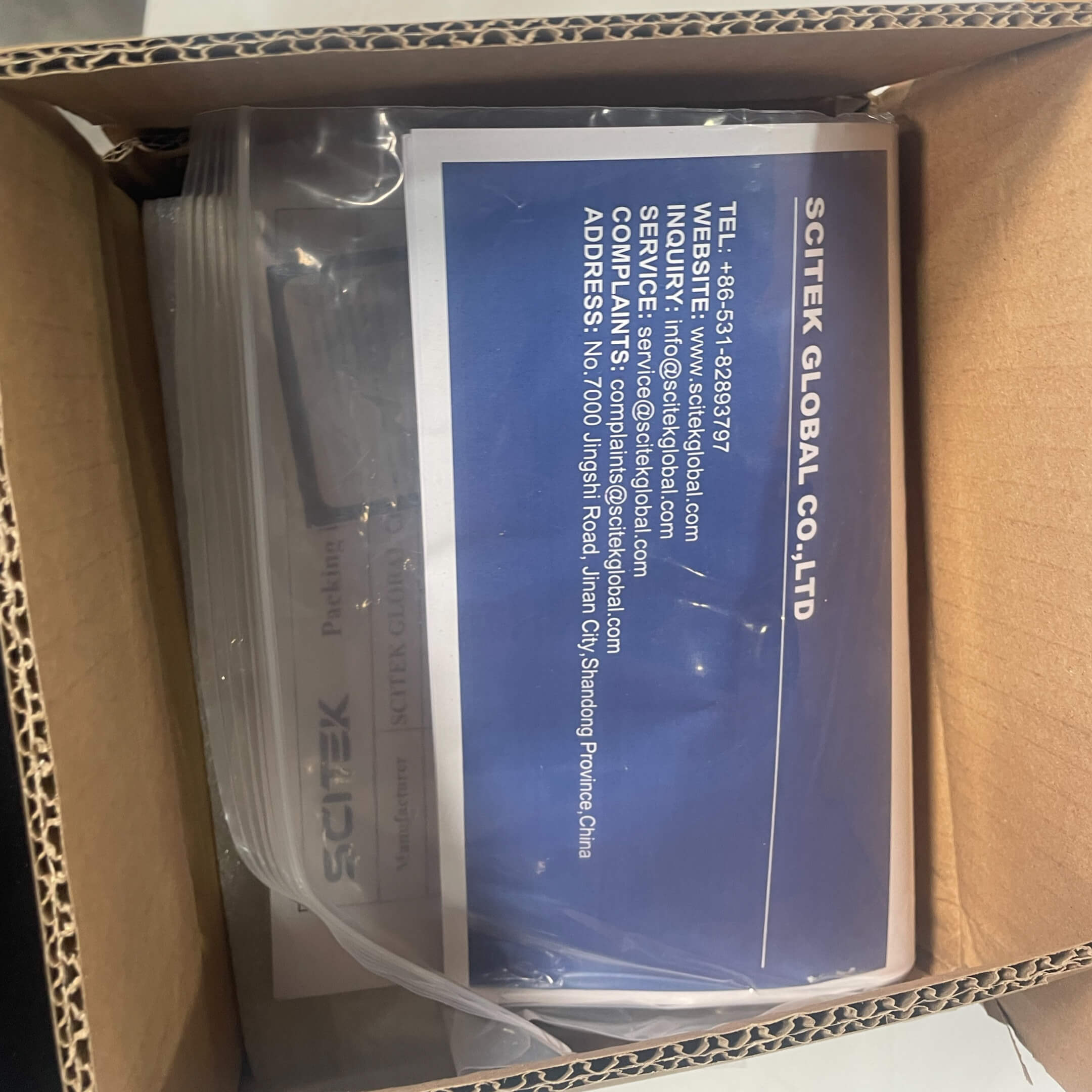
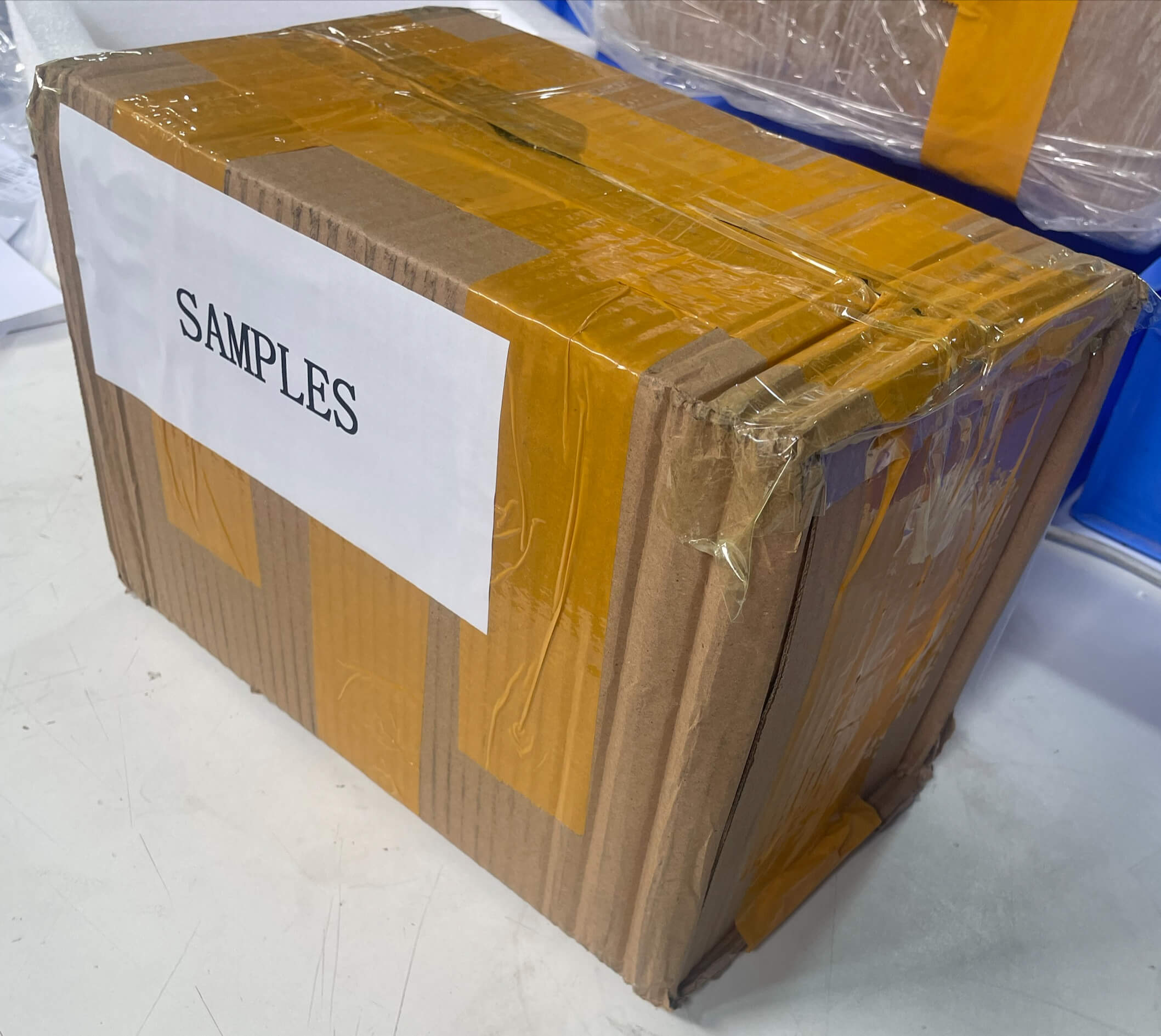
The packaging is sturdy and well-structured, using protective foam inserts to secure the unit during transportation. Clear labeling and organized internal layout ensure safe delivery and easy unpacking, minimizing the risk of damage.
FAQ
How to Use a Vortex Mixer
Prepare the Sample:
Ensure the sample is properly labeled and ready for mixing. Also, verify that the test tubes or microplates used are compatible with the device.
Place the Container:
Place the test tube or plate in the center of the mixing platform, ensuring it is stable to prevent tipping or spillage during operation.
Adjusting Speed:
Set an appropriate speed based on the sample’s properties. High-viscosity or high-density samples typically require higher speeds, while shear-sensitive samples should be mixed at lower speeds.
Start the Equipment:
Turn on the power and start the equipment. Control the mixing time according to specific experimental requirements.
Monitor the Process:
Observe during mixing to confirm that the samples have reached a homogeneous state. If the mixing results are unsatisfactory, adjust the speed or extend the mixing time as appropriate.
Stop Operation:
After mixing is complete, turn off the power and carefully remove the test tubes or plates.
Cleaning and Maintenance:
Clean the equipment with a mild detergent and warm water. Allow it to dry completely before storing.
Does a vortex mixer gently mix dna
It can be used for “gentle mixing" but is only suitable for short DNA fragments; vortexing should be avoided for high-molecular-weight DNA.
Can a vortex mixer damage samples?
Yes, excessive speed or prolonged mixing may shear fragile samples.
Are vortex mixers suitable for viscous liquids?
Yes, but higher speeds may be required.
How long should a sample be vortexed?
Typically 2–10 seconds, depending on the volume and viscosity.
Can I vortex an open container?
No, always secure the container lid tightly to prevent spills.
As a professional lab and medical equipment manufacturer, Scitek Global is certified by ISO 9001, ISO 13485, ISO 45001 and ISO 14001. Almost all our products are certified by ETL, CE and FDA .
Scitek Global looks forward to establishing cooperation with more distributors all over the world, and working together to create greater customer value.

 English