Measurement of refractive index nD, average dispersion nF-nc of transparent or translucent liquid and solid substances.
Measurement of mass fraction (Brix) of cane sugar solution.
Widely used in the field of sugar, pharmaceutical, beverage, petroleum, food, chemical industries as well as research institutes and educational department.
Visual aim, optical index-plate reading.
Easy and reliable.
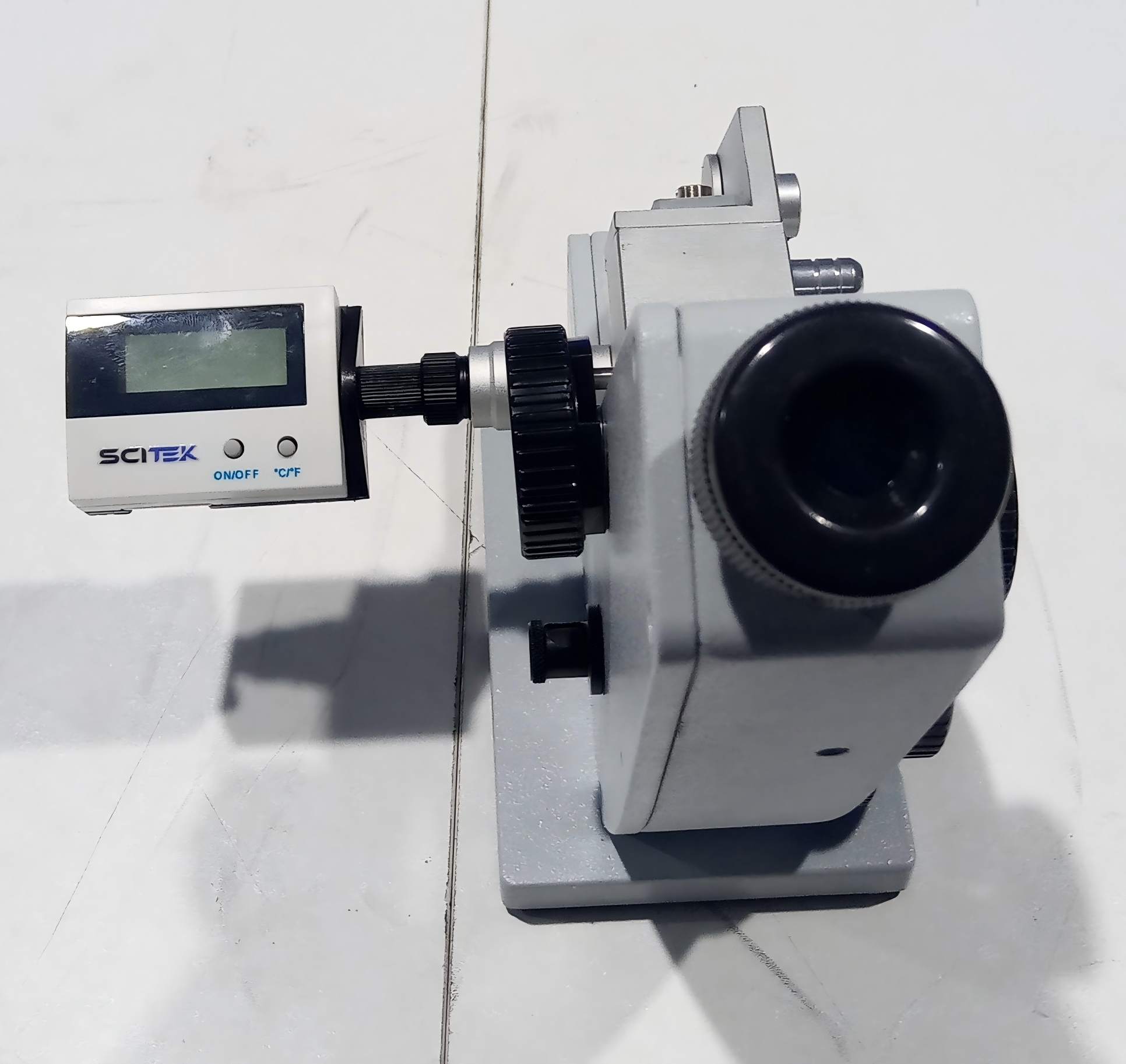
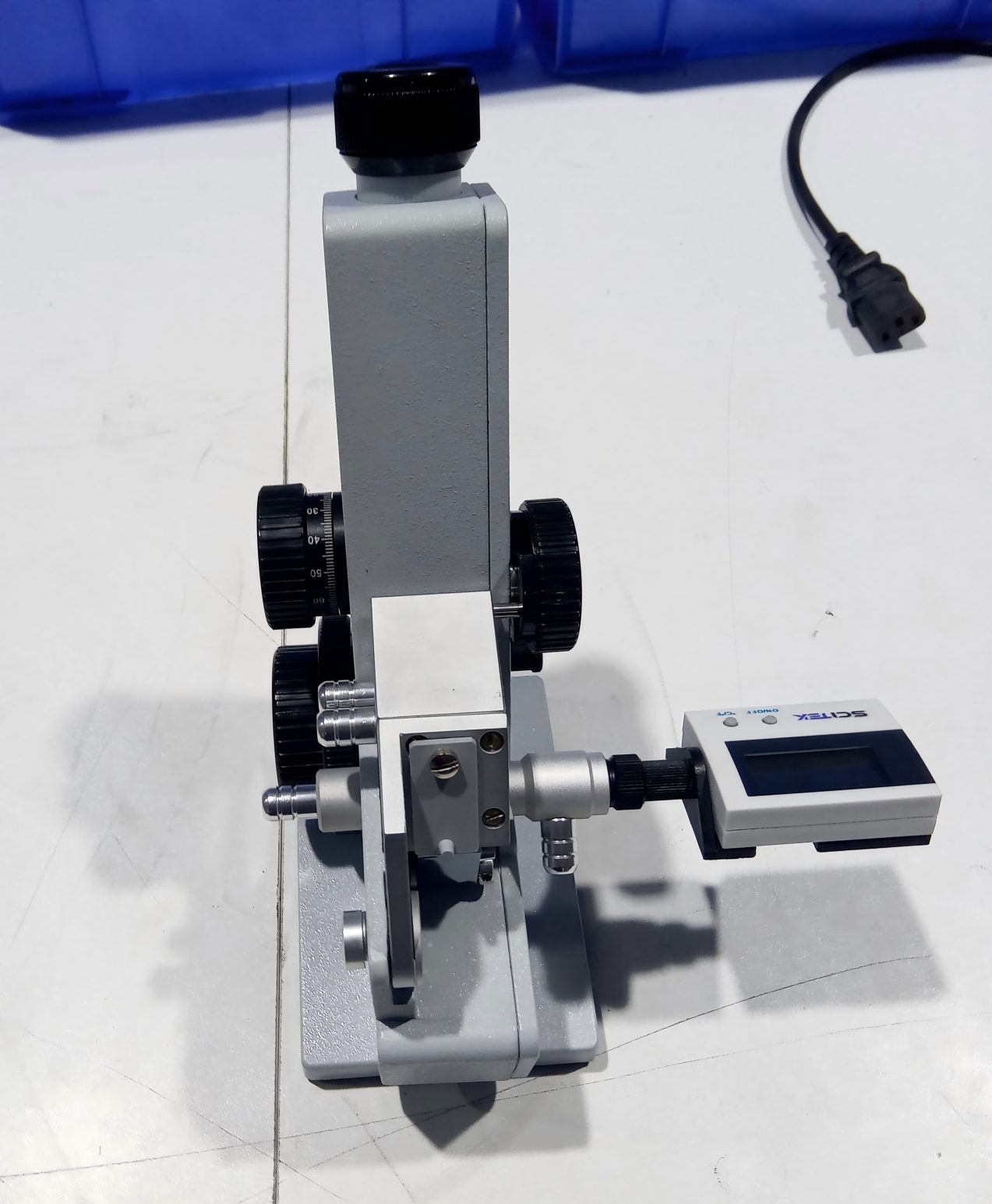
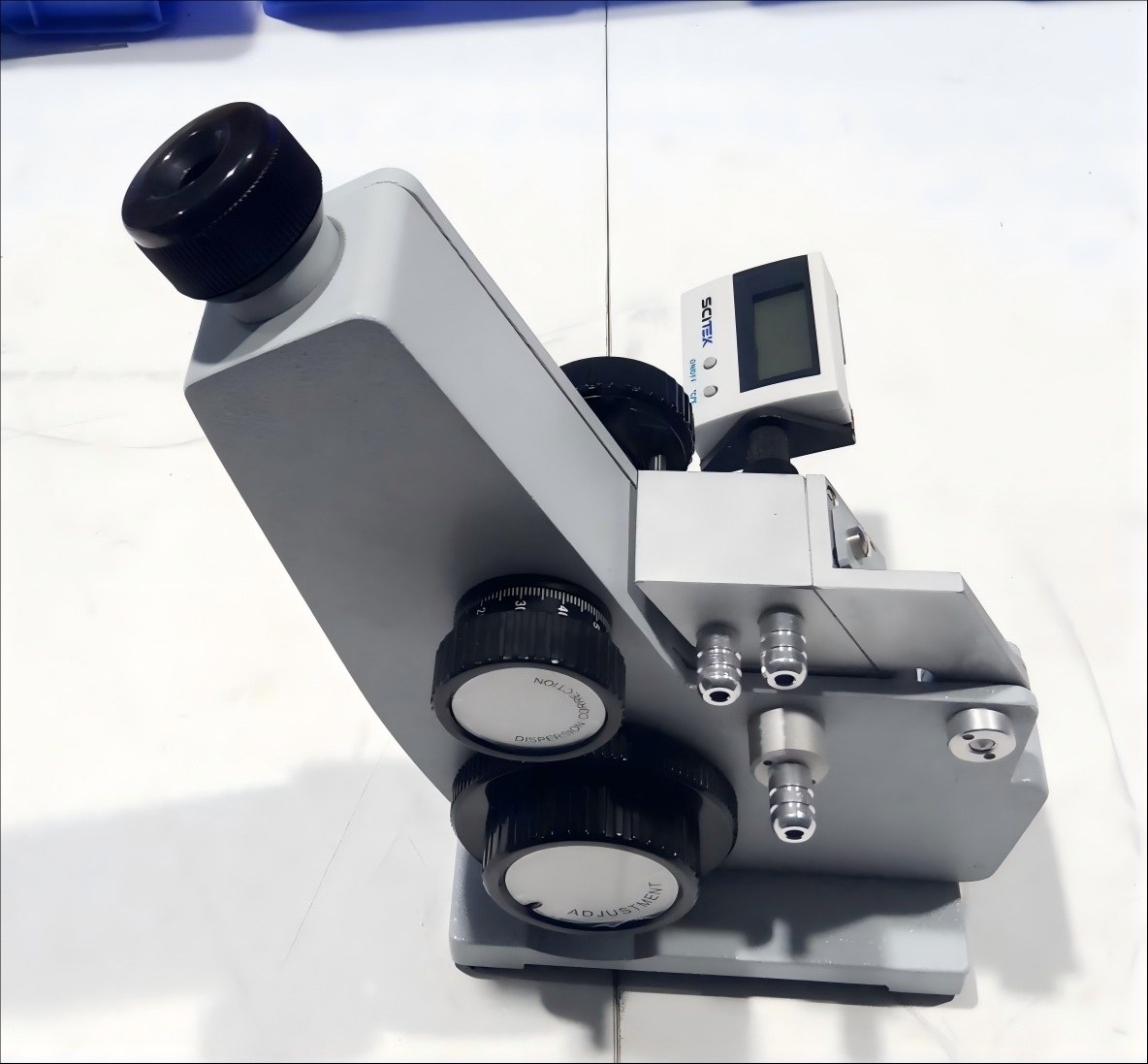
Details of ABBE Refractometer (RF-AM):
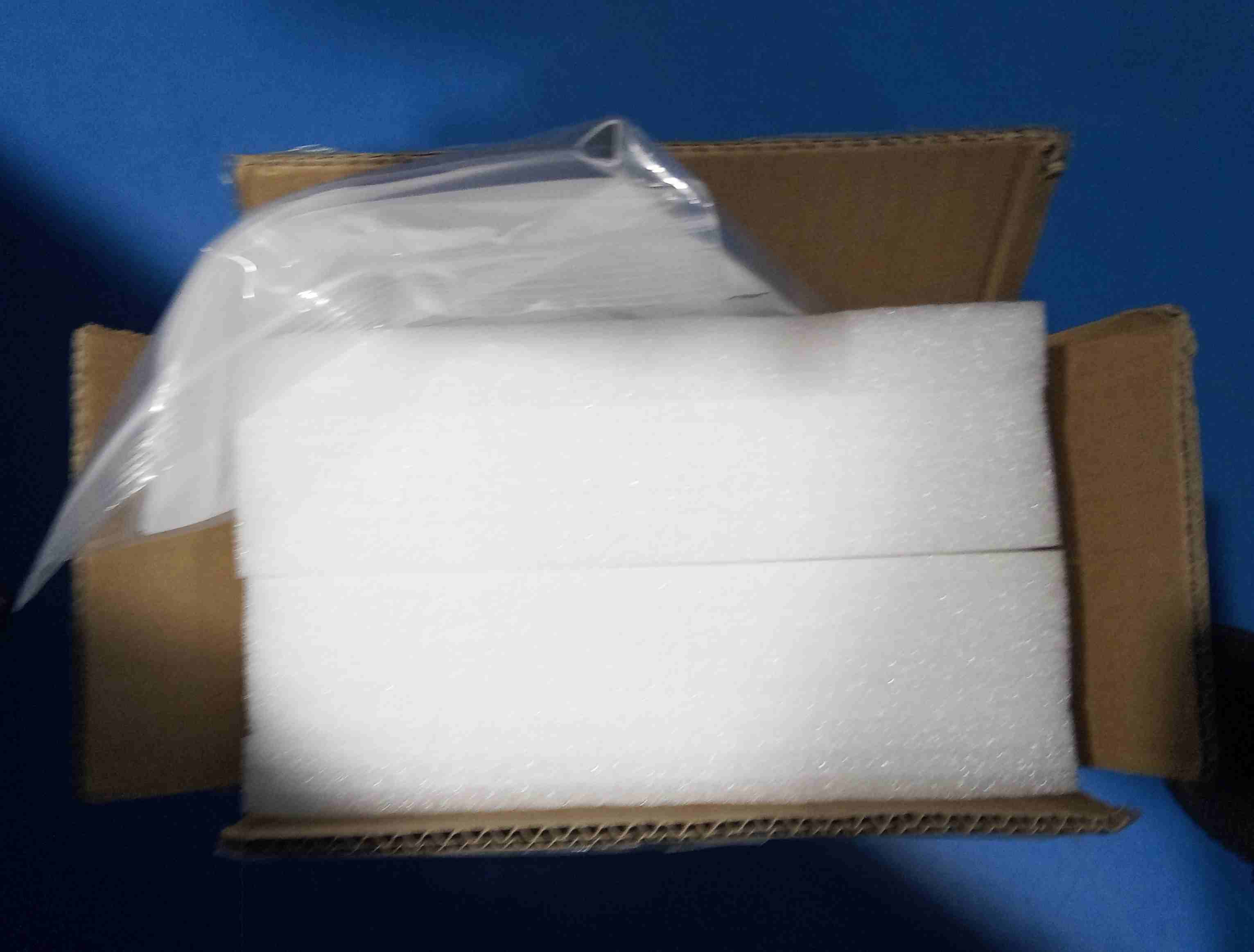
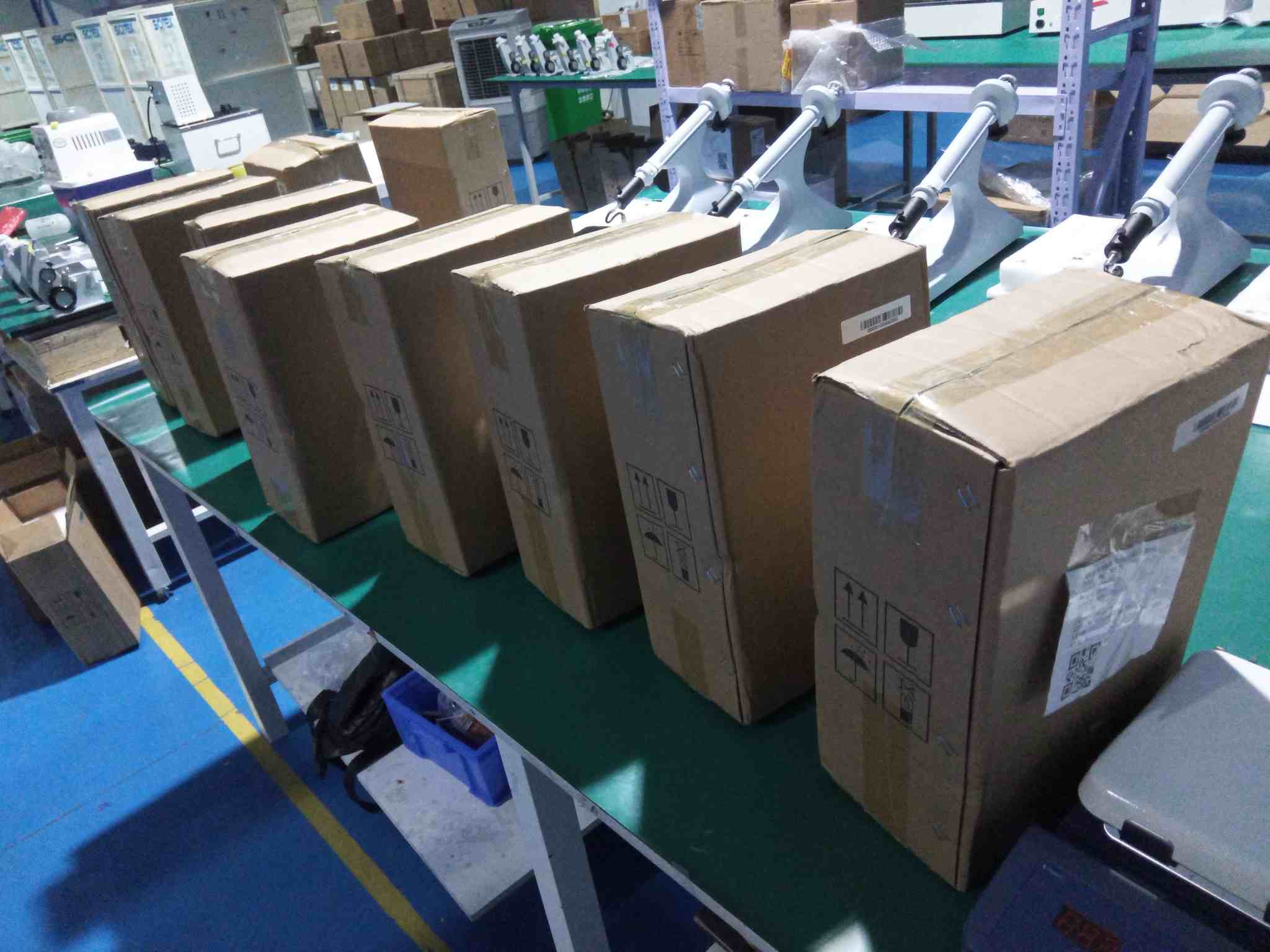
Every ABBE refractometer is carefully inspected before shipment and packed in a reinforced cardboard box with high-density protective cushioning to ensure maximum safety during storage, handling, and international transportation.
Frequently Asked Questions
What is a ABBE refractometer?
A ABBE refractometer is a piece of laboratory equipment used to measure the refractive index of a substance. It determines the refractive index of an object by measuring the degree to which the speed of light changes as it passes through that substance. It is commonly used to measure liquids, gases, and solids.
Basic Structure of an ABBE Refractometer
The basic structure of a refractometer typically includes a light source, a prism, a sample stage or sample cell, and a detector. The prism is made of glass or plastic with a known refractive index. The sample is placed on the sample stage or in the sample cell, and the refracted light passes through the sample before reaching the detector. The detector measures the angle of the refracted light and compares it to a known scale or reference chart to determine the sample’s refractive index.
Why Are ABBE Refractometers Needed?
ABBE refractometers enable quick, accurate, and non-destructive measurement of a sample’s refractive index. They facilitate the study of a substance’s chemical and physical properties and are of great significance to industries such as pharmaceuticals, chemicals, and food.
As a professional lab and medical equipment manufacturer, Scitek Global is certified by ISO 9001, ISO 13485, ISO 45001 and ISO 14001. Almost all our products are certified by ETL, CE and FDA .
Scitek Global looks forward to establishing cooperation with more distributors all over the world, and working together to create greater customer value.

 English